

Maintaining clean forming fabrics, press felts, and dryer fabrics is critical for paper machine performance. Effective fabric cleaning improves drainage, enhances sheet quality, reduces defects, minimizes breaks, and extends machine clothing life.
Over the years, paper producers have evaluated a variety of cleaning technologies, with traditional oscillating high-pressure (HP) showers and ultra high-pressure traversing cleaners being among the most common approaches.
While ultra high-pressure traversing systems have gained attention due to their water efficiency and targeted cleaning capabilities, traditional oscillating HP showers continue to be the preferred solution for most paper machines because of their proven reliability, lower ownership costs, operational simplicity, and versatility.
Traditional Oscillating High-Pressure Showers
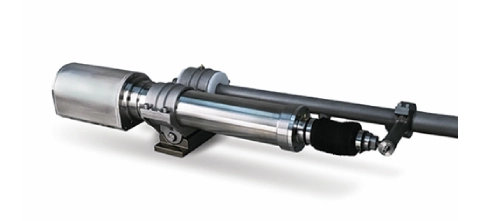
Figure 1: Spraying Systems Co. Oscillating Shower Actuator
Oscillating HP showers utilize a full-width shower header equipped with solid-stream needle jet nozzles. The shower moves continuously back and forth across the machine direction to distribute cleaning energy evenly and prevent excessive wear on fabrics. When properly designed and synchronized with machine speed, oscillating showers provide thorough and uniform cleaning across the entire fabric width.
For decades, these systems have been the industry standard for cleaning forming fabrics, press felts, rolls, and other machine components due to their effective performance and straightforward operation.
Advantages
Proven and Reliable Technology
Oscillating showers have been used successfully on paper machines around the world for decades. Their mechanical simplicity and widespread adoption make them familiar to mill operators and maintenance teams. Replacement parts are readily available, operators understand how to optimize them, and troubleshooting is typically straightforward.
Continuous Full-Width Cleaning
Because the shower spans the entire machine width, every section of fabric receives continuous cleaning. This provides consistent removal of contaminants and helps maintain uniform fabric permeability and sheet quality.
Lower Capital Investment
Compared to traversing cleaning systems, oscillating showers generally require less equipment, fewer support systems, and simpler controls. As a result, installation costs and initial investment are typically lower, making them attractive for both new and existing machines.
Ease of Installation and Maintenance
Oscillating showers can often be installed with minimal modifications to existing machine layouts. Routine maintenance is relatively simple and typically involves nozzle inspection, oscillator maintenance, and periodic cleaning of the shower itself.
Operational Flexibility
Oscillating showers can be adapted to a wide range of paper grades and machine configurations through adjustments to nozzle type, pressure, oscillation speed, and spray angle. This flexibility makes them suitable for forming, press, and dryer applications.
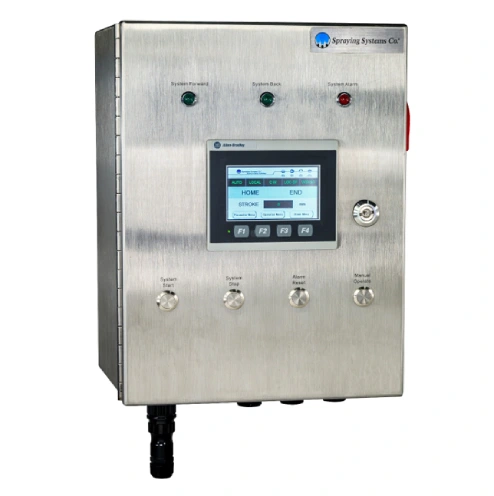
Figure 2: Spraying Systems Co. Oscillator Controller
Disadvantages
Higher Water Consumption
Since cleaning occurs across the full machine width continuously, oscillating showers generally consume more water than traversing systems that focus cleaning on a narrow area at a time.
Potential Nozzle Plugging
With a larger number of nozzles in operation, plugging can become an issue if filtration and shower maintenance are neglected. Modern brush systems and automatic cleaning mechanisms have significantly reduced this concern.
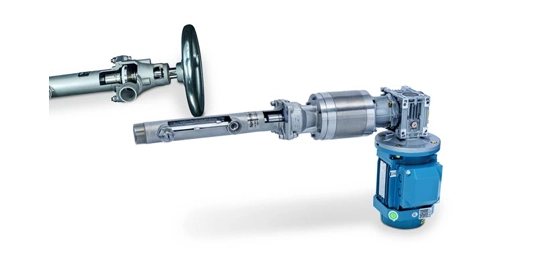 Figure 3: Spraying Systems Co. Manual Brush Shower and Automatic Brush Shower
Ultra High-Pressure Traversing Fabric Cleaners
Ultra high-pressure traversing systems use a narrow cleaning head that moves back and forth across the machine width. Rather than applying cleaning water across the entire fabric width simultaneously, these systems concentrate extremely high-pressure water onto a small area and clean the fabric incrementally as the cleaning head traverses.
Many systems also incorporate air handling, vacuum extraction, and automated cleaning functions designed to maximize contaminant removal and water efficiency.
Advantages
Reduced Water Consumption
One of the primary benefits of traversing fabric cleaners is significantly lower water usage. Since only a small portion of the fabric is being cleaned at any given moment, total cleaning water requirements can be substantially reduced.
High Cleaning Intensity
The concentrated cleaning energy can be effective at removing stubborn contaminants such as stickies, pitch, coatings, and other deposits that may become embedded in machine clothing over time.
Potential Utility Savings
Cleaner fabrics can improve dewatering, reduce downstream energy requirements, and potentially decrease chemical cleaning requirements. These benefits may be especially valuable on machines processing highly contaminated recycled furnishes.
Disadvantages
Higher Initial Cost
Ultra high-pressure traversing systems typically require specialized cleaning heads, sophisticated controls, high-pressure pumping equipment, vacuum systems, and additional support infrastructure. The resulting capital investment can be considerably higher than a traditional oscillating shower system.
Increased Mechanical Complexity
The additional components required for traversing systems introduce more potential maintenance points, including traversing mechanisms, seals, vacuum devices, high-pressure pumps, and control systems. This can increase maintenance requirements and life cycle costs.
Application-Specific Benefits
While these systems can provide significant value in certain contamination-heavy applications, the benefits are often dependent on machine conditions, furnish quality, utility costs, and existing cleaning performance. For many paper machines, the performance gains may not justify the increased complexity and investment.
Single Cleaning Head Dependency
The technology relies heavily on the effectiveness and reliability of a single traversing cleaning head. Any disruption in operation can impact the system's overall cleaning performance until repairs are completed. In contrast, conventional oscillating showers distribute cleaning through multiple nozzles across the entire machine width.
Why Traditional Oscillating Showers Remain the Preferred Choice
Ultra high-pressure traversing cleaners offer impressive cleaning performance and water savings in specific applications. However, when paper mills evaluate the total cost of ownership, reliability, maintenance requirements, operational flexibility, and ease of implementation, traditional oscillating HP showers often emerge as the more practical solution.
Their advantages include:
- Proven performance across virtually all paper grades
- Lower upfront capital cost
- Simpler operation and maintenance
- Continuous full-width cleaning coverage
- Broad installation flexibility
- Reduced training requirements
- Wider industry acceptance and familiarity
While traversing systems can be a valuable tool for addressing unique contamination challenges, traditional oscillating HP showers continue to provide the best overall balance of cleaning effectiveness, reliability, maintainability, and economic value for most paper machine applications. Properly designed and optimized oscillating showers remain the benchmark fabric-cleaning technology in the pulp and paper industry.
About the Author
Bernard Pyzdrowski is the project engineer for Pulp & Paper Industries at Spraying Systems Co.
About Spraying Systems
Spraying Systems Co. is the world’s leading manufacturer of spray nozzles. Every day, our local spray technology experts help customers optimize operations and create more sustainable manufacturing practices. With tens of thousands of standard products, we have the right nozzle for your application – and we ship most standard products in one day. If you need a special product or material, contact us! We develop hundreds of custom nozzles, injectors and headers every year. Our engineering and manufacturing resources can help solve your toughest spray technology challenges.