
A Finnish research initiative has developed fully cellulose-based films and coatings that could help advance plastic-free packaging while maintaining the performance of conventional plastics and improving end-of-life outcomes.
Led by VTT Technical Research Centre of Finland and LUT University, the Films for Future (F3) project has delivered a material platform that enables cellulose to be processed as a polymer rather than a fibre. This approach produces transparent films with mechanical strength and barrier properties comparable to fossil-based plastics, while remaining inherently biodegradable.
The development comes as regulators and brand owners increase pressure to reduce plastic content in packaging. Emerging thresholds, such as limiting plastic content to below 5 wt% in fibre-based materials, alongside the European Union’s Packaging and Packaging Waste Regulation (PPWR), are accelerating the search for alternatives that meet both performance and recyclability requirements.
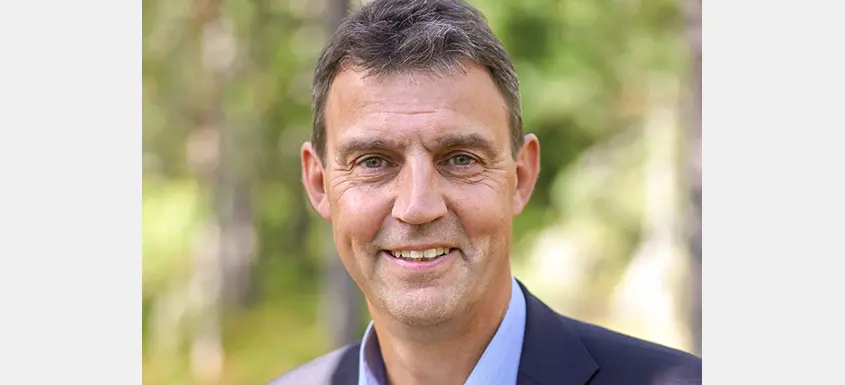
“Plastic films are widely used but remain difficult to recycle and contribute significantly to environmental pollution,” said Ali Harlin, Research Professor at VTT. “Cellulose materials open new sustainable solutions while maintaining product protection and process efficiency.”
Performance and Processing Compatibility
Unlike many bio-based alternatives that require trade-offs between functionality and sustainability, the F3 platform is designed to deliver both. The materials are compatible with existing converting technologies, including thermoforming, and can integrate into current recycling streams or biodegradation pathways depending on the application.
Pilot-scale trials have demonstrated strong performance metrics. The cellulose films achieve oxygen transmission rates (OTR) below 1 cc/m²/day at 23°C and 50% relative humidity. The coatings deliver OTR values below 0.2 cc/m²/day and grease resistance rated at KIT 12. These properties position the materials for use in demanding applications such as dry food, bakery products, and fibre-based packaging requiring transparent barrier layers.
“The cellulose films and coatings have already been demonstrated to have the properties to be processed in various package converting processes, which highlights their future potential,” said Ville Leminen, Professor of Packaging Technology at LUT University.
Bridging Scalability and Sustainability
A key focus of the project has been ensuring industrial scalability—often a limiting factor for emerging materials. According to project partners, the ability to integrate with existing manufacturing infrastructure significantly improves the likelihood of commercial adoption.
“The key challenge has not been whether alternative materials exist, but how to process them to meet industrial requirements,” said Vinay Kumar, Senior Scientist at VTT.
Industry stakeholders, including Metsä Board and Kemira, have emphasized that compatibility with current converting and recycling systems is critical for transitioning innovations from pilot projects to commercial production.
“Value chain adoption of these platforms is essential for the ongoing transition towards fully renewable and recyclable technologies,” said Mats Berg, Senior Principal Scientist, Discovery & Innovation at Kemira.
Colombier Finland, another industrial partner in the project, highlighted the commercial potential of the technology for paper and paperboard applications. The company said the work has enabled the development of fully plastic-free barrier coatings capable of meeting the requirements of demanding food packaging applications.
Expanding Functionality
Beyond plastic replacement, researchers are exploring antimicrobial and antioxidant functions, as well as intelligent packaging capable of responding to humidity, gas composition, or pH. The platform could also find applications in sectors such as medical materials, electronics, and advanced coatings.
Next Steps
Completed in March 2026, the F3 project involved 34 industrial partners and received funding from the European Regional Development Fund (ERDF). The project demonstrated pilot-scale production of cellulose-based films and coatings across multiple applications, validating both performance and process compatibility.
The next phase will focus on scaling production toward commercial applications and improving barrier performance under humid conditions. Initial target markets include dry food packaging, bakery products, and recyclable fibre-based packaging systems requiring transparent, high-performance barrier layers.
About the F3 Project
The Films for Future (F3) project was carried out by VTT Technical Research Centre of Finland and LUT University in collaboration with 34 industrial partners. The initiative was funded by the European Regional Development Fund (ERDF) and focused on developing environmentally friendly packaging materials capable of replacing fossil-based plastics while meeting industrial performance requirements.