

Rottneros returned to positive EBITDA in the second quarter of 2026 as lower wood, chemical, fuel and fixed costs helped offset declining sales, reduced delivery volumes and weaker pulp prices.
The Swedish pulp producer reported EBITDA of SEK 31 million, compared with a loss of SEK 15 million in the corresponding quarter of 2025. The result also improved by SEK 67 million from the first quarter of 2026.
Net sales fell 16% year over year to SEK 612 million from SEK 726 million. Rottneros attributed the decline to lower market prices, a 7% reduction in sales volumes and the depreciation of the U.S. dollar against the Swedish krona.
The net price of northern bleached softwood kraft (NBSK) pulp in Swedish kronor was 12% below the second quarter of 2025. Compared with the first quarter of 2026, however, the NBSK price increased by 5%, while the price of chemi-thermomechanical pulp (CTMP) rose by 2%.
Production rises as deliveries decline
Rottneros produced 91,900 tonnes of pulp during the quarter, up 2% from 90,300 tonnes a year earlier. Sulphate pulp production remained broadly stable, while CTMP output increased.
Vallvik Mill produced 61,400 tonnes, marginally below the year-earlier level but 14% higher than in the production-constrained first quarter. CTMP production at Rottneros Mill reached 30,400 tonnes, representing a 9% year-over-year increase.
The company continued to adjust CTMP production according to market demand and electricity prices, operating when conditions supported profitable output.
Sales volumes declined to 84,700 tonnes from 91,100 tonnes. Demand remained strong in Rottneros’ targeted chemical softwood pulp niches, but lower first-quarter production had reduced finished goods inventories and limited second-quarter deliveries.
The CTMP market improved slightly but remained weak. Nevertheless, CTMP deliveries exceeded their level from the same period of 2025.
Cost reductions support margins
Lower input and operating costs were the main drivers behind the EBITDA improvement. Variable costs decreased by SEK 82 million from the second quarter of 2025, primarily because of lower pulpwood prices, along with reduced chemical and fuel costs.
Pulpwood prices have fallen by approximately 20% from their peak in the first half of 2025. Rottneros noted that changes in wood costs generally affect earnings with a delay of about one quarter.
Cost adjustments introduced during 2025 also reduced the quarterly fixed-cost base by approximately SEK 22 million year over year.
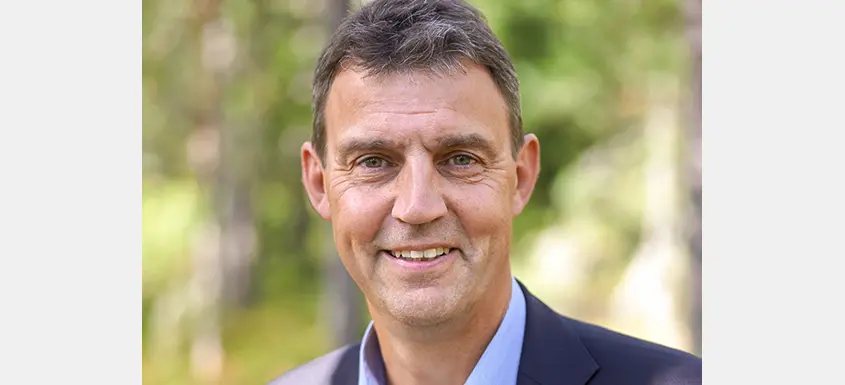
“We continue to focus on cost efficiency, high production availability and cash flow,” President and CEO Per Bjurbom said.
Despite the positive EBITDA, Rottneros recorded a net loss of SEK 11 million, compared with a loss of SEK 158 million a year earlier. The 2025 result included a SEK 140 million impairment of non-current assets. The loss per share narrowed to SEK 0.04 from SEK 1.04.
Investment spending scaled back
Rottneros continued to prioritize cash flow and capital efficiency following several years of substantial investment.
Capital expenditures totalled SEK 11 million during the first half of 2026, down from SEK 67 million a year earlier. Full-year investments are expected to reach approximately SEK 60 million, compared with SEK 166 million in 2025.
Working capital declined by SEK 164 million year over year to SEK 458 million. Operating cash flow for the first half remained negative at SEK 81 million, compared with an outflow of SEK 88 million in the same period of 2025.
At the end of the quarter, the equity-to-assets ratio stood at 60%, above the company’s long-term target of at least 50%. Available liquidity was SEK 171 million, while net debt declined to SEK 431 million from SEK 549 million.
Shareholders approved the board’s proposal not to pay a dividend for 2025 at the annual general meeting held in May.
European market remains competitive
Rottneros said the market pulp sector continues to face overcapacity despite recent capacity adjustments. European demand for paper and cartonboard improved during the quarter amid global supply-chain disruptions and lower imports, but increasing supply from China continued to intensify competition.
Rottneros Packaging has transferred all commercial production to its jointly owned company in Poland. Its Sunne operations are now dedicated to customer service and product development.
Management said further cost reductions, improved production availability and the development of higher-value pulp niches will remain central to the group’s strategy.
Rottneros is a Swedish producer of market pulp for specialized applications. The group manufactures chemical and mechanical pulp at its Vallvik and Rottneros mills and develops molded fiber packaging solutions through Rottneros Packaging. Rottneros shares are listed on Nasdaq Stockholm’s Small Cap segment.