

Bringing a paper machine online after a shutdown is a critical moment in the production cycle. Operators are under pressure to reach full speed quickly, but one step must never be rushed: heating the dryer cans.
A controlled, gradual increase in steam temperature is essential for protecting equipment, stabilizing sheet quality, and preventing costly downtime. It is best to adhere to the dryer manufacturer’s recommended warmup procedures for proper dryer heating ramp rate and initial warm-up.es time and increases waste.

Why Dryer Cans Must Warm Up Gradually
Paper machine dryer cans are large, heavy cast-steel (mostly) vessels that expand as they absorb heat. When steam is introduced into a cold can, the shell, heads, and internal components all warm and expand at different rates. A controlled warm-up allows these components to adjust uniformly and avoids introducing harmful stresses into the shell structure.
To support this controlled heating, steam systems are designed with ramp-up procedures that gradually increase steam pressure and temperature. This approach:
- Allows uniform thermal expansion across the can
- Minimizes mechanical stress on the shell, heads, and journals
- Ensures condensate is properly removed during heat-up
- Stabilizes can temperature for consistent sheet drying
The Negative Impacts of Heating Dryer Cans Too Quickly
1. Thermal Shock and Shell Cracking
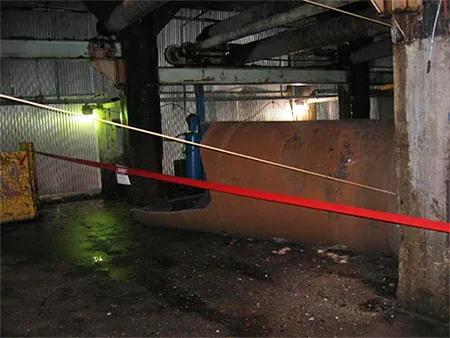
Rapid heating causes the outer steel layers of the dryer can to expand faster than the inner layers. The resulting internal stresses can lead to distortion, fatigue cracking, or in severe cases, catastrophic shell failures. Dryer can damage is costly and may require extended downtime or full can replacement.
Care should be taken to minimize rapid dryer heat up. If operators rely on automatic loop-pressure control, there is risk for rapid over-pressurization of the dryer section (setpoint error) or slow response to pressure buildup due to the dryer's cold surface.
2. Misalignment and Bearing Damage
Uneven thermal expansion places stress on journals and bearings. Excessive or abrupt movement during startup increases the load on bearing surfaces, potentially causing premature wear or failure.
3. Condensate Flooding
Introducing a large volume of high-pressure steam too quickly can overwhelm the condensate removal system. Condensate pooling reduces heat transfer efficiency, leads to uneven dryer temperatures, and increases the risk of sheet defects such as wet streaks and inconsistent drying.
4. Sheet Quality Variability
Temperature instability during startup affects moisture profiles and drying uniformity after startup. The results can include:
- Curl
- Baggy edges
- Moisture variations across the sheet
- Reduced strength properties
These may be ongoing issues that can be exaggerated during improper startup. Recovering from these inconsistencies takes time and increases waste.
5. Increased Risk to Operators and Equipment
Dryer cans under thermal stress pose a safety hazard. Over-pressurization, shell deformation, or erratic movement can lead to critical failures, resulting in sever injury or death.
Protecting Your Machine with Proper Steam System Controls
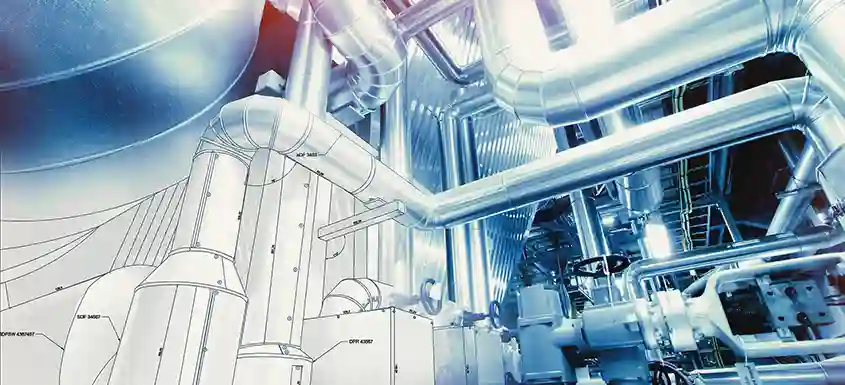
Modern steam and condensate systems, combined with automated warm-up sequences, balanced rotary joints, and responsive condensate removal technologies, play a critical role in ensuring a safe and efficient startup. These systems manage pressure ramp-up, monitor temperature stability, and help operators maintain the proper warm-up profile every time.
Final Thoughts
Patience pays off. By allowing dryer cans to warm gradually, mills protect one of the most expensive components on the machine, reduce maintenance risks, improve sheet quality, and above all, ensure safety in the mill.
KADANT JOHNSON LLC is a key supplier to the pulp and paper industry, specializing in steam, condensate, and fluid-handling systems that optimize paper machine drying efficiency, energy use, and runnability.