


As the UK prepares to roll out its deposit return scheme (DRS) in 2027, discussions at Packaging Innovations & Empack 2026 highlighted a regulatory shift with clear implications for paper- and paperboard-based packaging.
Industry speakers repeatedly stressed that extended producer responsibility (pEPR) is moving from principle to practice. Modulated fees tied to recyclability performance, green, amber and red classifications, will increasingly reward packaging that performs well in real-world collection and recycling systems. For fibre-based packaging, this creates both opportunity and scrutiny.
A central theme was the role of PackUK in coordinating the UK’s pEPR framework across four nations, hundreds of local authorities and thousands of producers. The scale and complexity of the system underline the importance of packaging designs that are compatible with existing collection and sorting infrastructures. For paper and carton producers, this reinforces the value of simplicity: mono-material structures, minimal coatings, and designs aligned with established fibre recycling streams.
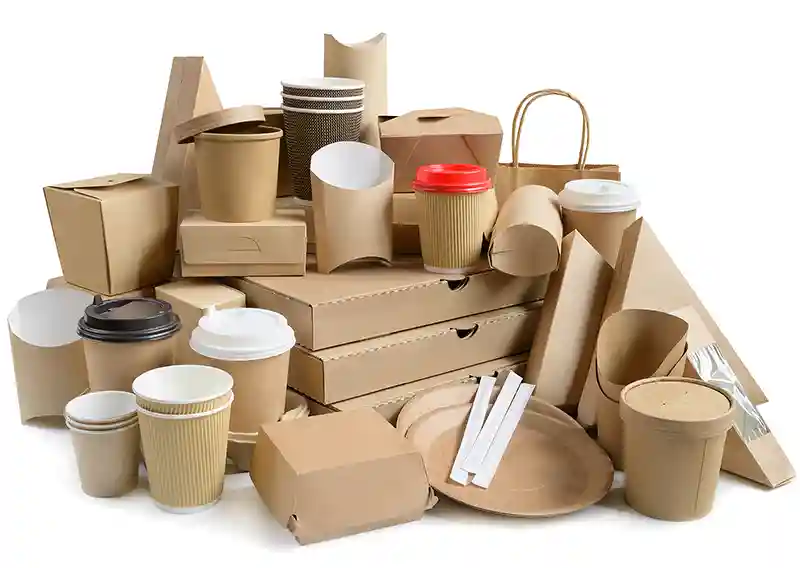
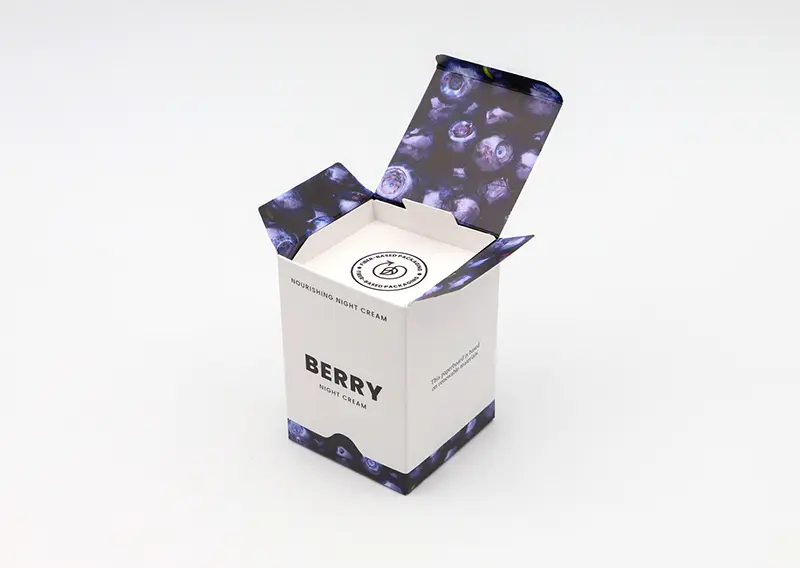
Technical discussions around the Recyclability Assessment Methodology (RAM) further underscored the shift toward evidence-based design decisions. Correct interpretation of RAM criteria was described as critical, as small design choices, such as barrier layers, inks or adhesives, can materially affect recyclability scores and, ultimately, producer fees. Examples include linerless paper labels and cartonboard trays optimised for existing fibre streams, which tend to score highly under RAM. For fibre-based packaging suppliers, this places renewed emphasis on transparent material specifications and early collaboration with brand owners.
Another signal of interest for the paper and carton sector came from the growing use of real-world data to assess packaging performance. Digital tools that track packaging through sorting and recycling facilities are increasingly being used to benchmark actual outcomes rather than theoretical recyclability. This trend may work in favour of fibre-based solutions, which often demonstrate strong performance in practice, particularly when compared with complex multi-material alternatives.
While much of the innovation on display focused on plastics, the regulatory context points to a parallel story for paper-based packaging. As pEPR fees become more tightly linked to recyclability outcomes and system efficiency, demand is likely to grow for paper and board formats that combine compliance, cost predictability and circularity.
For producers and converters serving the UK market, the message is clear: regulatory readiness is becoming a competitive factor. In the lead-up to 2027, paper-based packaging that is demonstrably recyclable within existing systems, and supported by data, will be better positioned to meet brand and policy expectations in a tightening regulatory environment.
Source: Packaging Innovations & Empack 2026 (Easyfairs)