


Norske Skog is pressing ahead with a series of targeted industrial, energy, and strategic initiatives as it works to reinforce its operating base in an increasingly demanding market environment closing what the company describes as a year of strong operational momentum.
At the Skogn mill, two cornerstone projects are advancing toward completion in the second quarter of 2026. The NOR Book paper project will enable the production of standard bulk book paper from PM1 under the NOR Book brand, with annual capacity of up to 140,000 tonnes. With approximately NOK 25 million (about USD 2.4 million) remaining to be invested, the project is now in its final phase. Running in parallel, the first stage of the PulpFlex project is also expected to be completed within the same timeframe. The initiative is designed to reduce energy consumption while improving fibre quality and power-grid flexibility, and has secured NOK 52 million (around USD 5 million) in government funding from Enova.
Skogn is also positioning itself for the next phase of decarbonisation. Through a partnership with Carbon Centric, Norske Skog is exploring carbon capture of biogenic CO₂, with the longer-term ambition of moving toward carbon-negative operations at the mill.
Across the group, management continues to roll out initiatives aimed at improving profitability and cash flow, including comprehensive reviews of variable and fixed costs, alongside tighter working-capital discipline. At the Saugbrugs mill, strategic options remain under evaluation, with a decision expected in the second quarter of 2026. In parallel, feasibility work is progressing on a potential rebuild of PM6 to support production of SC magazine paper and TMP-based kraftliner.
On the regulatory front, Norske Skog is challenging the decision to exclude both Skogn and Saugbrugs from the EU Emissions Trading System for the 2026–2030 period. The appeal is currently being reviewed by Norway’s Ministry of Climate and Environment and stems from revised EU criteria that remove free CO₂ allowances for facilities whose emissions originate more than 95% from sustainable biomass. The company says it remains actively engaged with authorities in an effort to reverse the ruling.
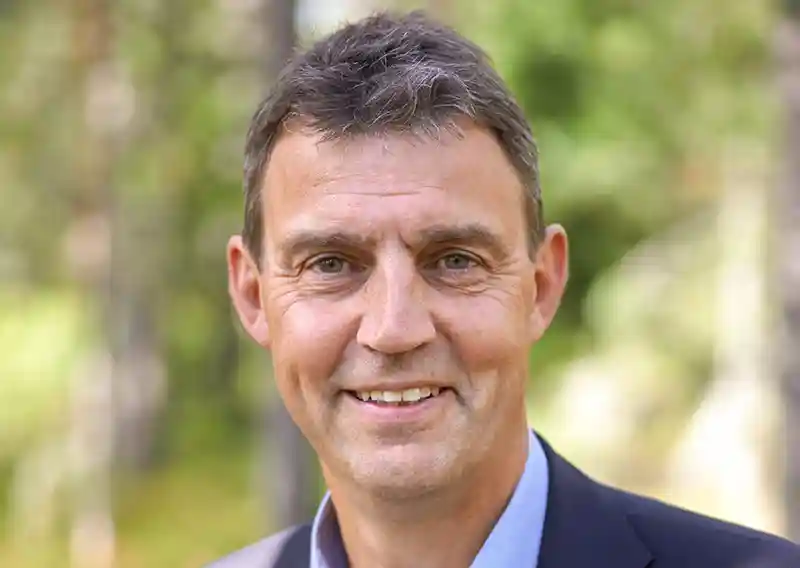
Concluding what it characterises as a year of solid execution, Norske Skog reports a marked improvement in liquidity alongside steady progress across its transformation initiatives. “Record containerboard deliveries, increased market shares, and solid progress across several strategic projects demonstrate the resilience of our organisation and the long-term value of our transformation efforts,” said Geir Drangsland, CEO of Norske Skog.
Looking ahead, the company acknowledges a volatile outlook marked by raw-material price swings, excess capacity, and rapidly changing operating conditions. Against this backdrop, Norske Skog says it will continue to prioritise cost reduction, working-capital efficiency, and disciplined capital management, while advancing development projects intended to strengthen product positioning, energy performance, and long-term competitiveness.
Norske Skog is a producer of packaging paper and publication paper across four mills in Europe. Packaging paper includes testliner and fluting and publication paper includes newsprint and magazine paper. The annual production capacity of packaging paper is 0.8 million tonnes, and the annual production capacity of publication paper is 1.3 million tonnes.
Source: Norske Skog