

Altri has secured an A rating from CDP, placing the Portuguese bioeconomy group among the world’s leading companies for environmental transparency and climate performance, and well above the global sector average score of B.
CDP’s assessment covered three core environmental pillars — Climate Change, Forests and Water — with Altri achieving ratings of A, A- and A-, respectively. The results reflect the company’s progress in integrating climate and nature considerations across its strategy, operations and reporting.
According to CDP’s detailed scoring, Altri achieved an A rating in several key categories, including business strategy, energy management, impacts, opportunities and risks, environmental policies, and carbon emissions reduction initiatives. In multiple areas, the company received top scores across all three environmental pillars assessed.
Chief Executive Officer José Soares de Pina said the rating independently validates the company’s long-term direction and execution. He noted that the recognition supports Altri’s ambition to contribute to a more renewable and sustainable world, underpinned by a structured 2030 Commitment with clear, measurable targets that are being implemented on an ongoing basis.
Altri operates as a bioeconomy company and is one of Europe’s leading producers of cellulosic fibres sourced from certified forests. The group is also active in forest-based renewable energy, with a forestry strategy focused on the full utilisation of forest resources, including both fibres and forest residues.
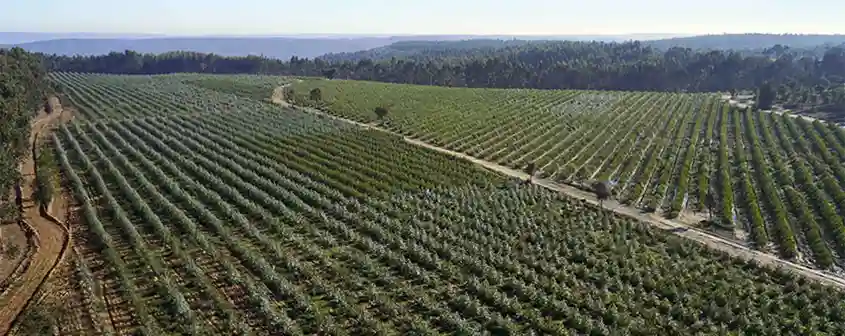
The company manages more than 100,000 hectares of forest, fully certified under two internationally recognised responsible forest management systems. Altri currently operates three cellulosic fibre mills in Portugal, with a combined installed capacity exceeding 1.1 million tonnes per year.
CDP, a global non-profit organisation, runs the world’s largest environmental disclosure system and evaluates not only corporate commitments, but also their effective implementation. Its scores are widely used by investors, customers and procurement teams to assess environmental performance and resilience in the transition toward a low-carbon economy.
Source: Altri